
In recent weeks, a significant uptick in Influenza A (H1N1) cases has been reported across multiple regions, prompting health authorities to issue warnings and implement preventive measures. This resurgence of the virus, commonly referred to as the “swine flu,” has raised concerns among public health officials, especially as the Northern Hemisphere enters its traditional flu season. This article delves into the latest data, government responses, and recommendations for the public to mitigate the spread of the virus.
Current Data on Influenza A Cases
According to the World Health Organization (WHO), there has been a 30% increase in reported Influenza A cases globally compared to the same period last year. In the United States alone, the Centers for Disease Control and Prevention (CDC) reported over 100,000 confirmed cases in the past month, with hospitalization rates climbing steadily. Europe has also seen a sharp rise, particularly in countries like the United Kingdom, Germany, and France, where healthcare systems are already under strain due to seasonal respiratory illnesses.
In Asia, countries such as China and India have reported localized outbreaks, with schools and workplaces becoming hotspots for transmission. In China, the National Health Commission (NHC) confirmed a 25% increase in flu-related hospital visits compared to the previous month. Similarly, India’s Ministry of Health and Family Welfare has noted a 20% rise in cases, particularly in densely populated urban areas.
The age groups most affected by this wave of Influenza A are children under 12 and adults over 65, both of whom are considered high-risk populations. However, there has also been a notable increase in cases among young adults, possibly due to waning immunity and increased social interactions following the relaxation of COVID-19 restrictions.
Government and Public Health Measures
In response to the surge, governments and health organizations have rolled out a series of measures aimed at curbing the spread of the virus. These include:
1. Vaccination Campaigns: Many countries have ramped up their flu vaccination efforts, particularly targeting high-risk groups. In the U.S., the CDC has urged all individuals aged six months and older to get vaccinated, emphasizing the importance of early immunization. Similarly, the European Centre for Disease Prevention and Control (ECDC) has launched public awareness campaigns to encourage flu shots.
2. Enhanced Surveillance: Health authorities are closely monitoring flu activity through enhanced surveillance systems. This includes tracking hospital admissions, laboratory-confirmed cases, and outbreaks in schools and care homes. Real-time data sharing between countries has also been prioritized to identify emerging hotspots.
3. Public Awareness Campaigns: Governments are leveraging social media, television, and radio to educate the public about flu prevention. Key messages include the importance of hand hygiene, covering coughs and sneezes, and staying home when sick. In some regions, mask mandates have been reintroduced in healthcare settings and public transportation.
4. School and Workplace Policies: To reduce transmission, several countries have implemented temporary school closures and remote work policies. For instance, in the UK, schools with high absenteeism rates due to flu-like illnesses have been advised to switch to online learning for a limited period.
5. Stockpiling Antiviral Medications: Health systems are ensuring adequate supplies of antiviral drugs like oseltamivir (Tamiflu) to treat severe cases. These medications are most effective when administered within 48 hours of symptom onset, making early diagnosis crucial.
Expert Recommendations
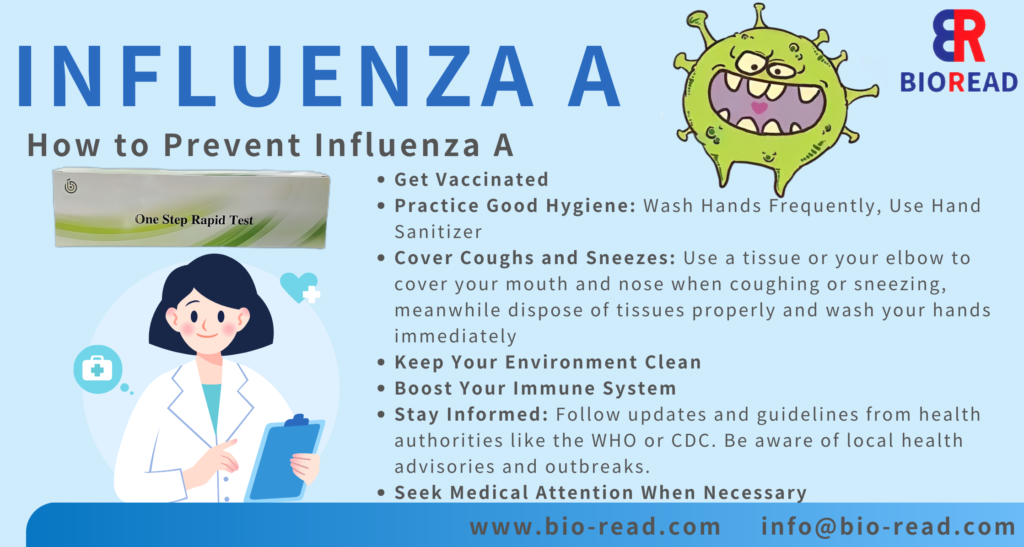
Public health experts are urging individuals to take proactive steps to protect themselves and others. Key recommendations include:
– Get Vaccinated: The flu vaccine remains the most effective way to prevent severe illness and reduce transmission. Even if the vaccine does not completely prevent infection, it can significantly lessen symptoms and complications.
– Practice Good Hygiene: Regular handwashing with soap and water, using hand sanitizer, and avoiding touching the face can help reduce the risk of infection.
– Stay Home When Sick: Individuals experiencing flu-like symptoms, such as fever, cough, and body aches, should stay home to avoid spreading the virus to others.
– Wear Masks in Crowded Settings: While not universally mandated, wearing masks in crowded or poorly ventilated spaces can provide an additional layer of protection.
– Seek Early Treatment: High-risk individuals, such as the elderly, pregnant women, and those with chronic health conditions, should seek medical attention promptly if they develop flu symptoms.
Looking Ahead
In conclusion, the recent rise in Influenza A cases serves as a reminder of the importance of preparedness and vigilance in the face of infectious diseases. By staying informed and taking proactive steps, individuals can play a vital role in protecting their communities and reducing the burden on healthcare systems.